
From Linnaeus to open biodiversity data: local collections with global impact
For International Day for Biological Diversity on 22 May, GBIF Sweden highlights how living plant collections in Uppsala connect Sweden’s scientific heritage with today’s global need for open biodiversity data.
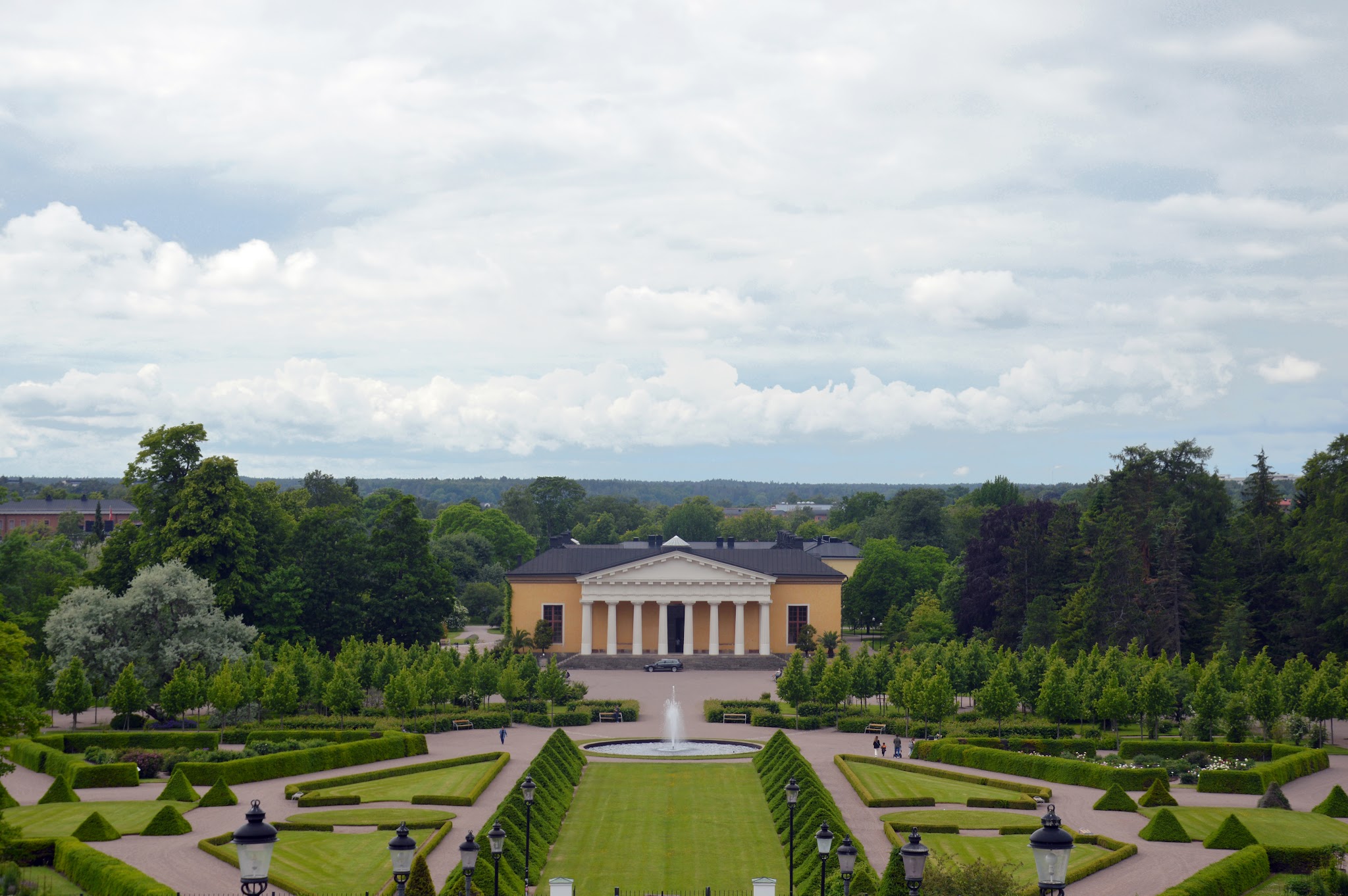
On 22 May, the world marks the International Day for Biological Diversity. The 2026 theme, “Acting locally for global impact,” is especially relevant for GBIF Sweden: biodiversity knowledge often begins in local collections, gardens, field stations and museums, but becomes globally useful when it is shared openly.
A new GBIF publisher, The Linnaean Gardens of Uppsala, Uppsala University, now makes data from three living plant collections available through GBIF: Linnaeus’ Hammarby, the Linnaeus Garden and the Botanical Garden. The publisher brings together some of Sweden’s most internationally recognizable botanical heritage. Uppsala University’s Botanical Garden is described as Sweden’s oldest botanical garden, founded in 1655, and the Linnaeus Garden is located on the site where Carl Linnaeus applied his plant classification system before publishing it in 1735.
These datasets are more than historical curiosities. Linnaeus’ Hammarby still preserves plant species surviving from Linnaeus’s time, while the Botanical Garden includes Linnaeus’s own bay laurel trees, extensive living collections, an arboretum, systematic plantings, a tropical greenhouse and Sweden’s oldest orangery still used for its original purpose.
Botanical gardens are living research infrastructures. They conserve plant diversity, maintain documented living collections, support taxonomy and horticulture, provide material for education and research, and help the public understand biodiversity through direct experience. By publishing their data through GBIF, gardens also make these collections part of a global evidence base for biodiversity science and decision-making.
This is exactly the role GBIF Sweden aims to strengthen: mobilizing new Swedish datasets, supporting publishers and communicating the value of GBIF as infrastructure for open data, open science and policymaking. The Linnaean Gardens datasets show how Sweden can connect a unique scientific legacy with modern biodiversity informatics: local plants, curated in Uppsala, can now contribute to research and policy far beyond Sweden.
By making biodiversity data openly accessible and reusable, GBIF helps researchers and decision-makers save time, avoid duplication and build on existing knowledge. A 2023 independent economic analysis estimated significant annual benefits from GBIF-mediated data for both research and society.
On International Day for Biological Diversity, the message is simple: protecting biodiversity starts locally, but knowledge grows when it is shared. From Linnaeus’s gardens in Uppsala to global biodiversity research, open data helps turn Sweden’s natural history into a resource for the future.
Read more: