GBIF Sweden part of newly funded BID project to strengthen museum collection digitization and biodiversity data use in Africa
GBIF Sweden is part of a newly funded GBIF Biodiversity Information for Development (BID) project that will support museum collection digitization, biodiversity data mobilization, and data use for conservation and restoration planning in East and Southern Africa.
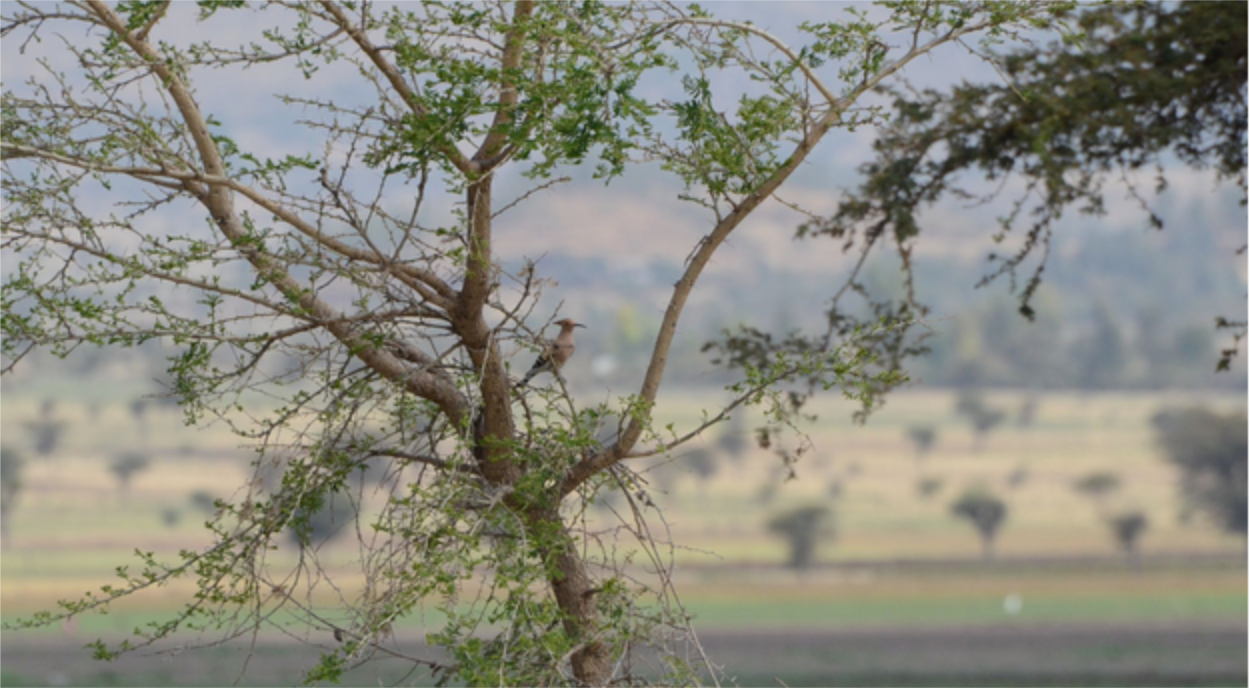
GBIF Sweden is pleased to be part of the newly accepted BID project “From silent shelves to impactful science: empowering museum collection digitization and data use for science, conservation, and society in Africa.” The project is led by Addis Ababa University and brings together partners in Ethiopia, Kenya, Mozambique, Uganda, Norway, and Sweden to strengthen regional capacity for mobilizing and using biodiversity data through GBIF.
The project will focus on natural history collections held by museums and universities across East and Southern Africa. These collections contain historical and contemporary records that can help fill important spatial and taxonomic data gaps, but many remain unavailable in digital form. By digitizing specimens, improving data quality, and publishing datasets through GBIF, the project will make these records more accessible for research, conservation, restoration planning, and policy support.
Training and capacity building are central to the project. More than 300 students, academic staff, technicians, and conservation professionals are expected to benefit from activities covering data management, quality assurance, practical digitization methods, AI-assisted specimen digitization, GBIF data publishing, species distribution modeling, stakeholder engagement, and the use of biodiversity data in conservation and restoration planning. The project aims to digitize and publish more than 10,000 natural history collection records under FAIR principles and to support the development of a regional network of biodiversity data practitioners.
GBIF Sweden, hosted by the Swedish Museum of Natural History, will contribute training in data mobilization and support curriculum development. The Swedish participation builds on long-standing collaboration with partners in the region and complements the broader Africa-Europe CoRE in Integrative Conservation Biology Research and Training, which aims to strengthen conservation research and training through approaches such as ecological modeling, R programming, remote sensing, and biodiversity digital twins.
The BID program is led by GBIF and funded by the European Union. It supports projects that enhance individual and institutional capacity to mobilize and use FAIR and open biodiversity data for research and policy, particularly in regions where biodiversity data gaps remain significant.
Through this new project, GBIF Sweden will help strengthen the connection between museum collections, open biodiversity data, and practical conservation needs. The project will run from October 2026 to June 2028 and will include training events on data management, AI-assisted digitization and data publication, species distribution modeling, and the use of model outputs by policymakers and conservation planners.