
Strengthening biodiversity data capacity in Lithuania: CESP project draws to a close
A GBIF-supported capacity-building project in Lithuania is drawing to a close following a series of events in Vilnius on 19–21 October. The activities marked an important step towards strengthening Lithuania's biodiversity information infrastructure, with national stakeholders agreeing to continue discussions on future collaboration and formal participation in GBIF.
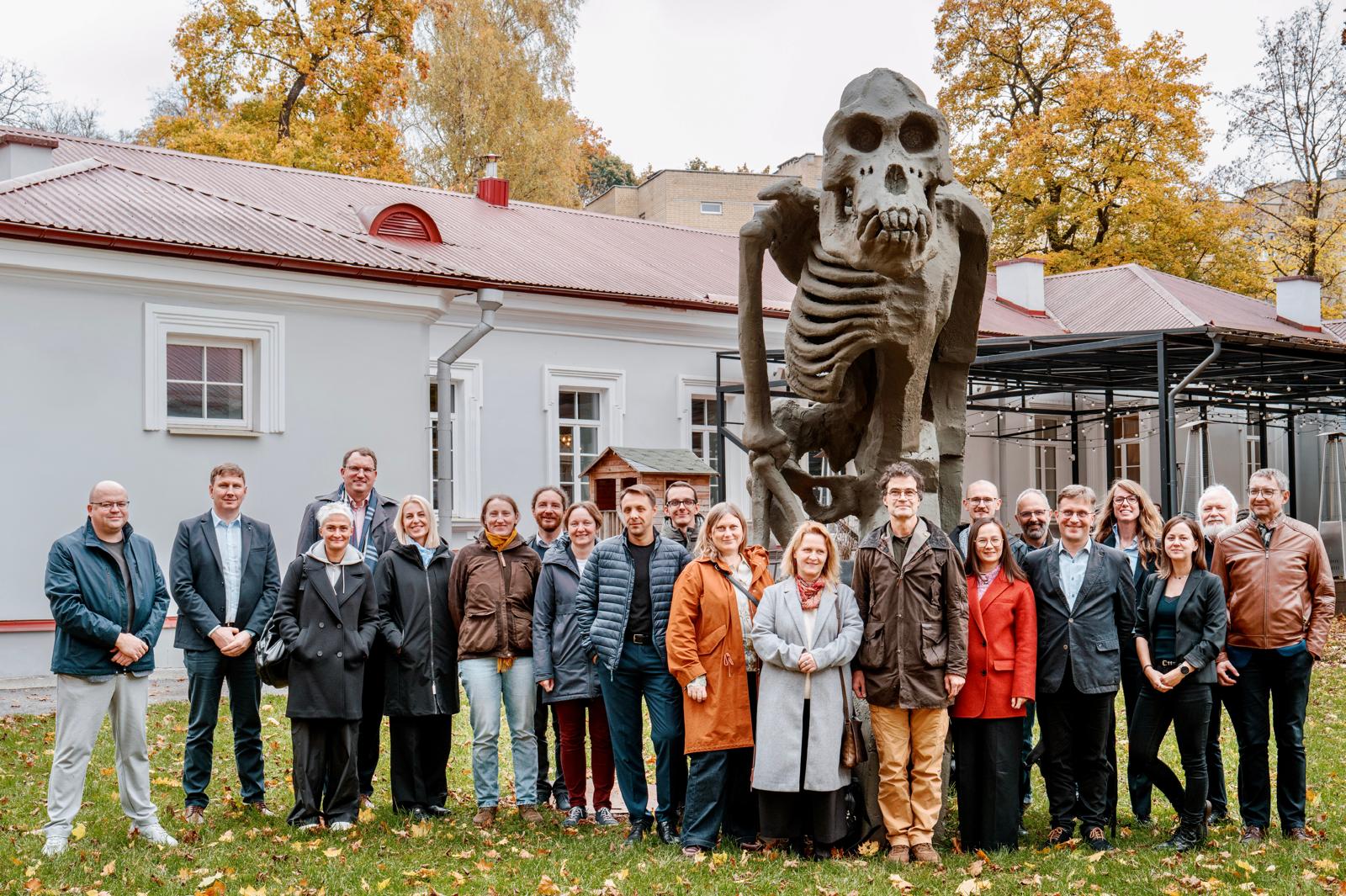
The project, Biodiversity data capacity building in Lithuania (CESP2025-002), is a collaboration between Lithuanian institutions and GBIF Sweden, supported by GBIF’s Capacity Enhancement Support Programme (CESP). It has focused on improving biodiversity data management and publication, mobilizing existing datasets and facilitating knowledge exchange with the European GBIF community.
Towards a national biodiversity information infrastructure
The final events began with an open seminar on 19 October, bringing together researchers, collection managers, data publishers and biodiversity data specialists to exchange experiences and discuss opportunities for making Lithuanian biodiversity data more accessible.
This was followed on 20 October by a high-level meeting on national biodiversity information infrastructure and data mobilization. Representatives of Lithuanian ministries, research institutions, museums and other organizations joined colleagues from the GBIF Secretariat, the European Environment Agency and European GBIF nodes to discuss national priorities and experiences from other countries.
The final event, held on 21 October, was a hands-on workshop led by Kristjan Adojaan from GBIF Estonia, introducing participants to PlutoF and practical workflows for managing and publishing biodiversity data through GBIF.
A key outcome was a shared intention among Lithuanian stakeholders to build on the collaboration established through the project. Further discussions will explore the development of a national biodiversity information infrastructure, the potential formation of a consortium of participating institutions and Lithuania’s path towards formal participation in GBIF.
Mobilizing Lithuania’s biodiversity data
Alongside these strategic discussions, the project has supported the publication of biodiversity datasets through GBIF, making information held by Lithuanian institutions more accessible to researchers and other users worldwide.
This includes biodiversity records from natural history collections, where specimen information provides valuable evidence of species occurrences across different locations and time periods. Making such records openly available allows existing collections to contribute more widely to biodiversity research, environmental monitoring and assessments.
Explore the published datasets: https://www.gbif.org/project/CESP2025-002/biodiversity-data-capacity-building-in-lithuania/datasets
Building on the collaboration
With the final planned activities completed, the Lithuania–Sweden CESP project is entering its concluding phase. The project has contributed to making Lithuanian biodiversity datasets openly accessible, strengthening practical data management and publication skills, and connecting national stakeholders with expertise from across the European GBIF community.
The collaboration has involved Vilnius University, the Nature Research Centre, Kaunas Tadas Ivanauskas Museum of Zoology and GBIF Sweden and SBDI at the Swedish Museum of Natural History, with contributions from partners across the European GBIF network.
Read more about the project: https://www.gbif.org/project/CESP2025-002/biodiversity-data-capacity-building-in-lithuania